
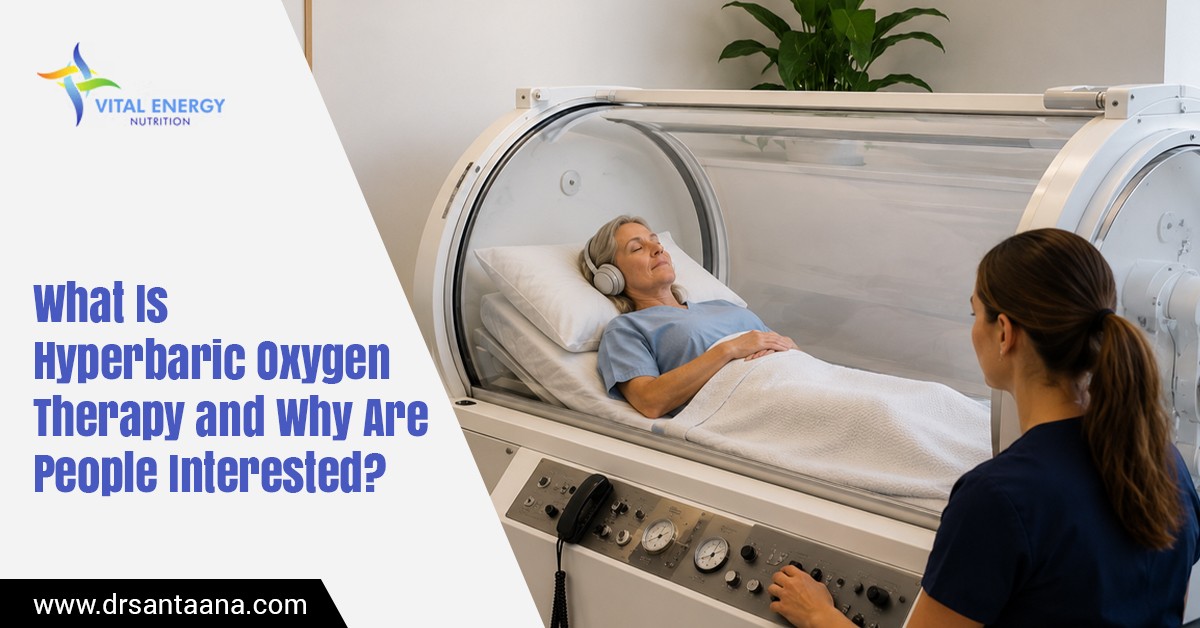
What Is Hyperbaric Oxygen Therapy and Why Are People Interested?
When people hear about oxygen and health, they often end up thinking only about breathing. We breathe every moment of every day, so it feels easy to assume that oxygen delivery is a simple thing. But oxygen plays a much more complex role in the body than most people realize. It supports cellular function, energy production, recovery, and a whole lot of other biological processes that shape overall well-being.
As the talk around wellness keeps shifting, more people are asking what hyperbaric oxygen therapy is, and how it actually fits into a wider health plan. Interest in hyperbaric oxygen therapy has grown over the last few years, especially for those looking for fresh ways to bolster recovery, resilience, and long-term wellness. That curiosity also seems tied to a bigger trend: people are trying to understand not only symptoms, but the inner machinery that helps the body work at its best, kind of like a systems mindset.
Industry reports suggest that wellness technologies and recovery-centered therapies have been gaining steam, and the increase has been pretty noticeable across the last decade. Consumers are looking for evidence-based options that complement healthy lifestyle habits and support their wellness aims. So oxygen therapies have started to show up in a broader conversation about proactive health management, rather than just “treating” something after the fact.
Why Is Oxygen So Important to the Human Body?
From the brain down to the muscles, oxygen backs processes that help maintain normal function. It’s a key factor in energy production, and it contributes to countless biological events that happen every single second.
When we think about wellness, we usually spotlight nutrition, exercise, hydration, and sleep. Those things are undeniably important. Still, oxygen is just as essential because it helps power the systems that allow the body to run efficiently, day after day.
This is why researchers and healthcare professionals continue to study oxygen delivery and its relationship to recovery, performance, and overall health.
What Is Hyperbaric Oxygen Therapy?
Hyperbaric oxygen therapy is basically when someone breathes oxygen inside a pressurized chamber. With the added pressure, your body can take in more oxygen than it normally could in everyday air. So it’s not just “more oxygen”; it’s more oxygen delivered in a different physical way, kind of like pushing things along a bit faster.
This kind of treatment has already been used in regular medical environments for certain approved situations, and it keeps getting looked at for other health and recuperation uses too. Even though the research keeps shifting and improving, more people are hearing about it now. That’s helped more folks wonder how oxygen delivery might nudge the body’s own biological routines. And, honestly, the growing interest in hyperbaric oxygen therapy fits into a wider curiosity about wellness tools and how they might fit inside someone’s overall health approach.
Are We Thinking About Recovery Too Narrowly?
A lot of people think recovery is only about an injury, or maybe about being sore after training. But recovery is happening all the time, for everyone. The body is always repairing, adjusting, and reacting to what life throws at it. Things like sleep, food quality, hydration, stress control, and physical activity all play a role in that steady process, even when you don’t “feel” anything unusual.
We think recovery should be looked at with a broader lens. Instead of hunting for one isolated fix, it’s often wiser to consider how multiple wellness elements interact. Like, instead of asking only “what can I do for fast results?” it may help to ask “what’s supporting the system as a whole?”
For example, individuals may benefit from examining:
- Nutritional status
- Sleep quality
- Stress levels
- Physical activity habits
- Hydration practices
- Lifestyle patterns
- Wellness assessment results
Each piece matters, and it can influence how well the body keeps its balance, while also backing up overall wellness.
What Can We Learn From a Systems-Based Perspective?
Health is often talked about like it’s a set of separate boxes. People discuss nutrition, rest, movement, pressure, and regaining strength as if they are fully independent. But in real life, these parts constantly affect each other, and it can be easy to miss that.
The following table highlights this interconnected relationship:
| Wellness Factor | Potential Role in Overall Well-Being |
| Nutrition | Provides nutrients that support normal body functions |
| Sleep | Supports recovery and cognitive performance |
| Physical Activity | Helps maintain strength and mobility |
| Stress Management | Supports emotional and physical balance |
| Oxygen Delivery | Contributes to cellular processes and energy production |
| Hydration | Supports numerous physiological functions |
When we view wellness through a systems-based lens, we start getting a clearer picture of how the different factors interact. This approach nudges people toward better choices rather than only leaning on a single isolated fix.
Why Are More People Exploring Wellness Technologies?
Technology keeps creeping into nearly every corner of modern life, and that includes health and wellness too. People want more insight into how their bodies work, like really work. They want tools that help them track wellness patterns and also make it easier to have real, informed conversations with qualified professionals, not just guesswork.
Whether someone is looking into nutritional assessments, doing wellness scans, or trying to learn more about hyperbaric oxygen therapy, the overall purpose is still pretty similar. They’re trying to gain awareness and build a deeper sense of what could be shaping their health journey, bit by bit.
Curiosity is showing up as a big driver for this newer generation of wellness consumers, the kind that often values education, more tailored results, and proactive decision-making.
Looking Beyond Trends and Toward Understanding
Health trends come and go, but the wish to understand our bodies stays. Questions like “what is hyperbaric oxygen therapy” usually don’t just point to one thing. They tend to suggest something bigger, like people trying to see where a wellness tool fits in a wider health context.
As we keep searching for methods that support long-term wellness, it matters a lot to treat health like a set of connected systems, instead of isolated symptoms. With education, personalized wellness plans, nutritional support, and guidance that’s actually informed, individuals can better understand the many factors that influence overall wellness.
For anyone interested in learning more about hyperbaric oxygen therapy and other wellness-focused approaches, Vital Energy Nutrition can serve as a resource, a sort of roadmap for exploring health with a personalized and educational lens.
Frequently Asked Questions
What is hyperbaric oxygen therapy?
Hyperbaric oxygen therapy is a treatment that involves breathing oxygen in a pressurized environment. The increased pressure allows the body to absorb more oxygen than under normal conditions. It is used in certain medical settings and continues to be studied for various health and recovery applications.
How does hyperbaric oxygen therapy work?
The therapy works by increasing the amount of oxygen dissolved in the bloodstream. This enhanced oxygen delivery allows oxygen to reach tissues throughout the body more efficiently. Researchers continue to study how this process may influence healing, recovery, and overall physiological function.
Is hyperbaric oxygen therapy the same as regular oxygen therapy?
No. Regular oxygen therapy typically provides supplemental oxygen at normal atmospheric pressure. Hyperbaric oxygen therapy combines oxygen delivery with increased air pressure inside a specialized chamber, creating a different environment that allows for greater oxygen absorption by the body.
Why are people interested in hyperbaric oxygen therapy?
Many individuals are interested in therapies that may support recovery, wellness, and overall health. Growing awareness of oxygen’s role in the body has increased interest in hyperbaric oxygen therapy as people seek more information about different wellness and recovery approaches.
Can hyperbaric oxygen therapy replace healthy lifestyle habits?
No. Hyperbaric oxygen therapy is not a substitute for foundational wellness habits. Balanced nutrition, regular physical activity, quality sleep, hydration, and stress management remain essential components of overall health. Many wellness professionals encourage viewing therapies as part of a broader health strategy rather than a standalone solution.
Related Blog
Why Gut and Heart Health Need a Simple, Connected Approach
Why a Smarter, Simpler Approach to Health Is Changing How We Heal